
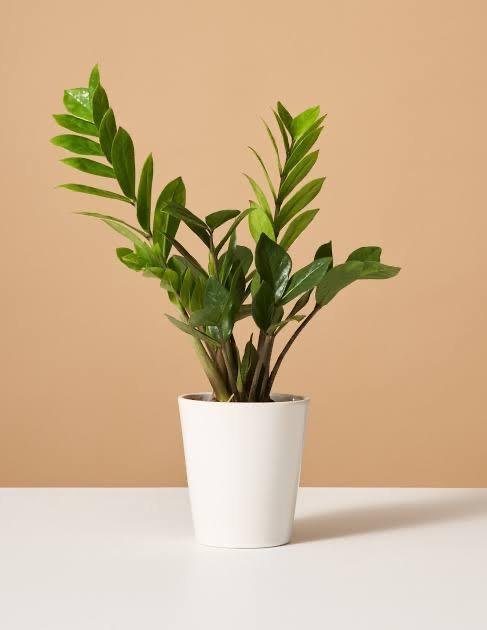
ZZ Plants
ZZ Plant prefers bright, indirect light but can easily survive in low-light areas. Water
sparingly—only when the soil is completely dry—and ensure proper drainage to prevent root
rot. It does well in average room temperatures. To keep foliage nice and shiny, clean with a
damp cloth as needed to remove dust.It needs low to bright light. Avoid keeping it in full sun.
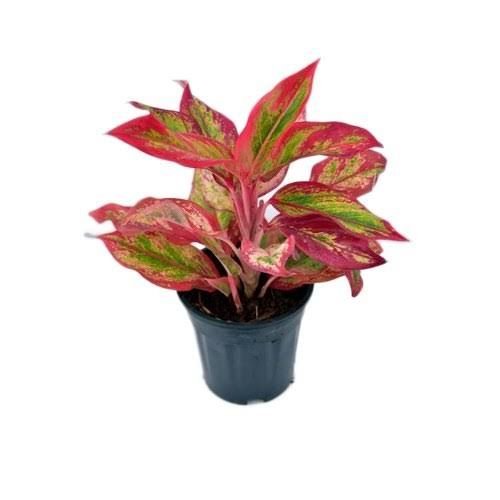
Red and Pink Aglaonema (Anglonema)
Red and Pink Aglaonemas are vibrant, tropical houseplants prized for their colorful foliage in
shades of red, pink, and green. These eye-catching plants not only brighten up indoor
spaces but are also easy to maintain, making them a favorite among plant lovers.
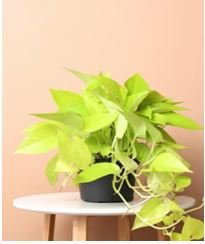
Pothos Plant
Pothos prefers bright, indirect light but can tolerate low light. Water when the top inch of soil
is dry, and avoid overwatering. It grows well in regular room temperature and doesn’t require
frequent feeding—once a month during the growing season is enough. You can trim the
vines to control growth and encourage bushier foliage. Clean leaves with damp cloth to
remove dust.
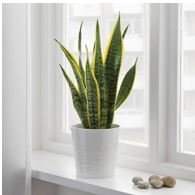
Snake Plant
This plant thrives in indirect light but can also tolerate low light.Allow the soil to dry out
completely between waterings, as it is highly drought-tolerant and prone to root rot if
overwatered. It prefers warm conditions and rarely needs fertilizing—once or twice during
the growing season is enough.
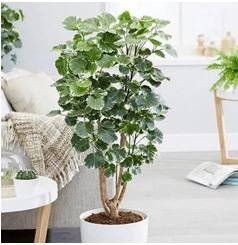
Aralia Plant
Aralia thrives in bright, indirect light and prefers warm, humid environments. Keep the soil
evenly moist but not soggy—water when the top layer feels dry. It enjoys regular misting and
benefits from occasional feeding with a balanced liquid fertilizer during the growing season.
Avoid cold drafts, as it is sensitive to low temperatures.
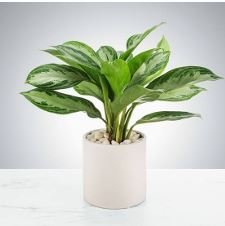
Chinese Evergreen Plant
It prefers indirect light, warm temperatures, and slightly moist soil—avoid overwatering.
Water when the top inch of soil feels dry, and wipe the leaves occasionally to keep them
dust-free. It also tolerates dry indoor air well and benefits from occasional fertilizing during
the growing season.
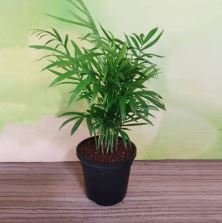
Parlour palm
Place the Parlour Palm in a spot with bright, indirect light, though it can tolerate low light as
well. Water when the top inch of soil feels dry, ensuring the pot has good drainage to avoid
root rot. The plant likes humidity with occasional misting. Prune any yellow or dead fronds to
keep the plant looking tidy and healthy.
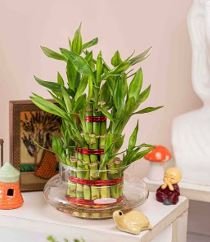
Lucky bamboo small sticks
Lucky Bamboo grows best in bright, indirect light and should be kept away from harsh
sunlight to prevent leaf burn. When grown in water, use filtered or distilled water, and change
it weekly to keep it clean and fresh. If potted in soil, ensure the soil remains slightly moist but
not waterlogged. Avoid using strong fertilizers—just a small amount once a month is
sufficient. Trim yellow leaves or stalks to maintain a healthy appearance.
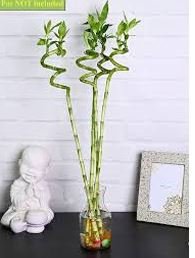
Lucky bamboo long sticks
Lucky Bamboo thrives in bright, indirect light—too much direct sunlight can scorch its leaves.
If grown in water, use distilled or filtered water and change it every 7–10 days to prevent
algae and root rot. Keep the water level at least 1–2 inches above the roots. If planted in soil,
keep the soil moist but not soggy. Avoid over-fertilizing; a drop of liquid houseplant fertilizer
once a month is enough. Trim yellowing leaves and overgrown stalks to maintain shape and
health.
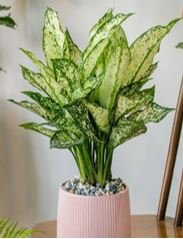
Silver Anglonaema
Silver Aglaonema prefers bright, indirect light but can tolerate low light, making it very
versatile. Water the plant when the top inch of soil feels dry, and ensure the pot has good
drainage to prevent root rot. It enjoys average room humidity. Wipe the leaves occasionally
to keep them dust-free.
Syngonium
Syngonium thrives in bright, indirect light but can tolerate low-light conditions, though its
colors may fade. Keep the soil lightly moist, allowing the top inch to dry out between
waterings. It prefers moderate humidity and room temperatures. Prune regularly to maintain
a bushy shape and prevent legginess.
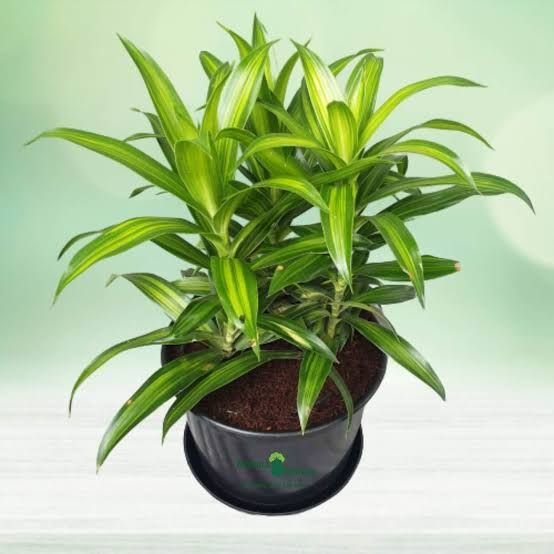
Song of India(green,variegated)
Song of India thrives in bright, indirect light—too little light can cause the leaf colors to fade.
Water the plant when the top 1–2 inches of soil feel dry, and ensure the pot has good
drainage to avoid root rot. Wipe leaves to keep them dust-free. Prune leggy stems to
encourage bushier growth.
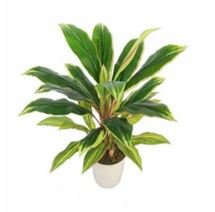
Dracaena Plant
Dracaena thrives in bright, indirect light but can also tolerate low-light conditions. Water
when the top inch of soil feels dry, and avoid overwatering, as its roots are sensitive to
excess moisture. Use filtered or distilled water if possible, as Dracaenas are sensitive to
fluoride in tap water. Keep the plant in moderate humidity and temperature, and trim any
brown leaf tips to keep the plant looking fresh and healthy.
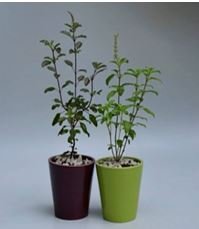
Tulsi(medicinal plant)
Tulsi thrives best in full sunlight and should receive at least 4–6 hours of direct sun daily.
Plant it in well-draining soil and water regularly, keeping the soil consistently moist but not
soggy. Prune the top leaves regularly to encourage bushier growth and prevent the plant
from becoming leggy. Avoid water stagnation, and during monsoons, protect the plant from
excessive rain. Fertilize lightly once a month with organic compost to keep it healthy and
productive.
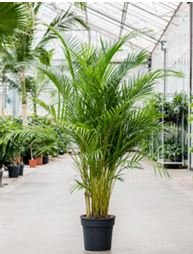
Areca palm(floor pot)
Areca Palm thrives in bright, indirect light but should be kept out of harsh, direct sunlight
which can scorch its leaves. Water when the top inch of soil feels dry, and make sure the pot
has good drainage to prevent root rot. It prefers high humidity .Mist the leaves occasionally
or use a humidifier, especially in dry climates. Trim off any brown or yellow fronds to keep
the plant looking healthy.
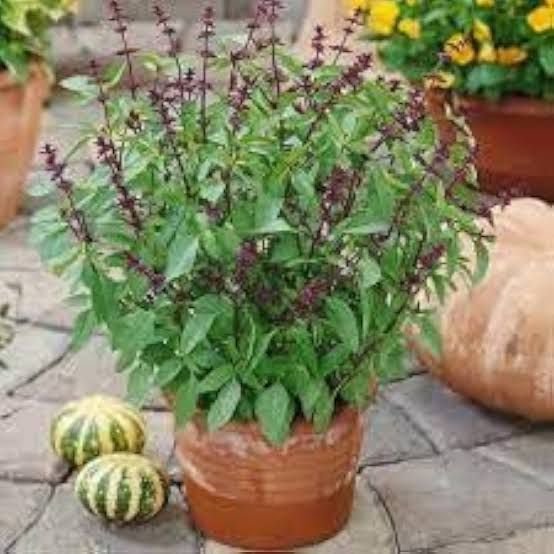
Basil(medicinal plant)
Basil thrives in warm weather and needs at least 6 hours of direct sunlight daily. Plant it in
well-draining soil and water regularly, keeping the soil consistently moist but not soggy. Pinch
off the tips regularly to encourage bushier growth and prevent flowering, which can reduce
leaf flavor. Avoid letting the soil dry out completely, and fertilize lightly every few weeks
during the growing season. Bring potted basil indoors during cold weather, as it is sensitive
to frost.